
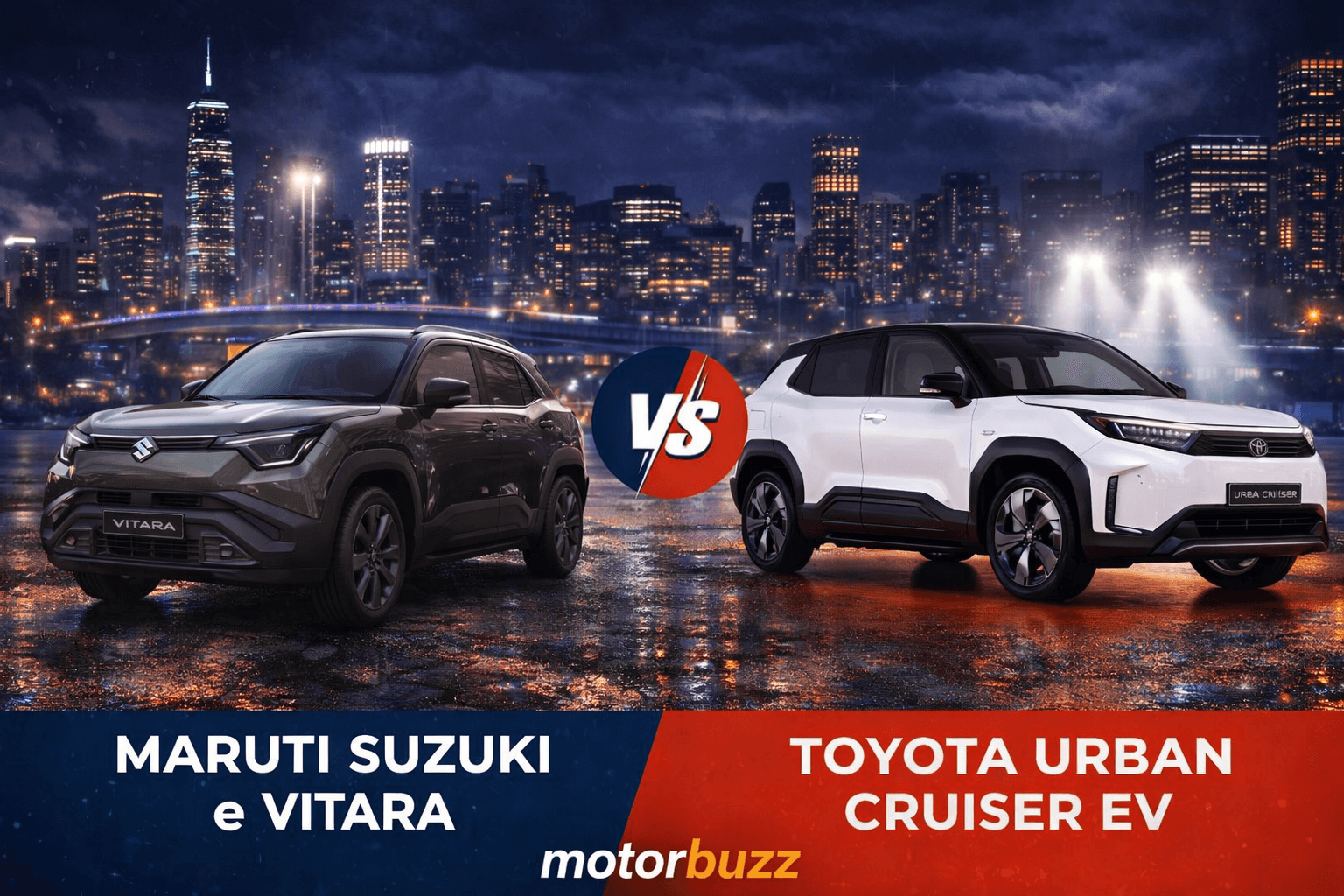
With the rapidly growing popularity of electric SUVs, the competition is getting fierce as two companies ramp up interest with their respective all-electric SUVs: The e-Bella from Toyota and the Vitara from Suzuki. Both are targeting the mainstream buyer with electric vehicles, but each has its own unique approach to electrification. In this article, we will compare both vehicles in terms of overall style, functionality, distance travelled, technological features, and price — allowing you to determine which vehicle meets your specific needs.
Design & First Impressions
At first glance, the Toyota eBella EV gives off a very sporty look; it has a sleek design with a futuristic styling. Toyota has moved away from its traditional SUV shapes and created a vehicle that resembles an aerodynamic, almost crossover shape. While modern, the eBella is subdued enough in its appearance to be attractive to the average car buyer.
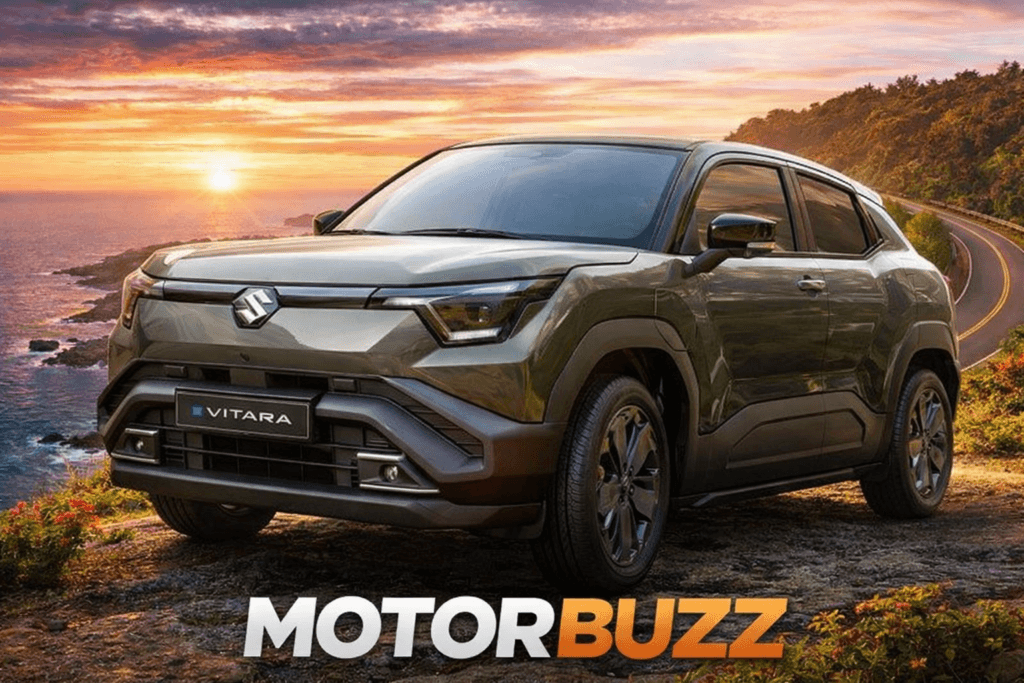
In contrast, Suzuki’s Vitara EV embraces the rugged characteristics that are often associated with traditional SUVs. The Vitara EV features a boxy profile and has a very strong angular line. However, the Vitara EV incorporates modern clean lines, LED lighting and minimalistic front-end design features to create a feel of modernity while still appealing to the consumer who wants a vehicle that fits into the classic SUV segment.
Driving Experience Level and General Performance
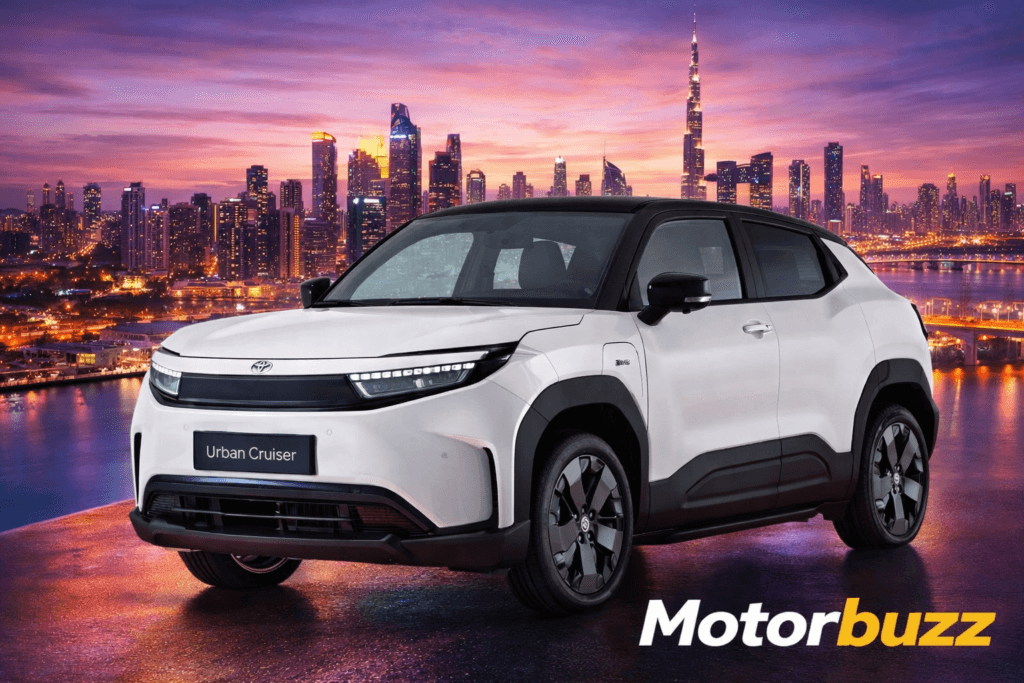
Both electric vehicles (EVs) provide an electric driving experience that provides adequate support, albeit with slightly different dependencies. The Toyota eBella electric vehicle (EV) maintains an emphasis on delivering a quiet and comfortable electric driving environment and high levels of electric vehicle-efficiency performance. The eBella has also been designed for use during the day and can be used for both commuting on city streets and relaxing on highways. The eBella’s acceleration is linear and reliable, but the eBella’s lack of weak acceleration means the eBella is not considered a sporty vehicle.
Suzuki’s Vitara electric vehicle (EV) has a more spirited driving experience. The Suzuki has a bit more torque than the eBella and provides greater acceleration from a stop, as well as better power for passing slower vehicles. As a result, the Suzuki has steered away from being solely viewed as an suv, but rather as an electric vehicle with a sporty feel that is still ideal for driving on country roads (or anything else you think would qualify as “country”).
Range, Charging & Technical Features
Electric vehicle (EV) buyers usually consider range as one of the most important factors when purchasing their vehicle, so the eBella has a bit of a leg up on rival offerings in this area. With an estimated range of over 300 miles per charge thanks to aerodynamic efficiency and its efficient electric motor (or “powertrain”), the Toyota eBella offers a range advantage of approximately 300 miles. In comparison, the Suzuki Vitara is rated for 275 miles, which is still respectable but not as good as competitors.
When it comes to charging, both vehicles support fast charging and are capable of reaching 80% charge in 30 to 40 minutes, depending upon which charge station is used. On the technology side, the eBella has a larger touch-screen infotainment interface with a complete suite of safety technologies and driver assistance features, whereas the Suzuki Vitara has an appealing look and is equipped with straightforward controls, but feels more like an in-house SUV and has a more rugged look.
Price & Conclusions
Price points and trims for both vehicles are competitive, with only minor differences arising from trim levels and local incentives. If you want a comfortable and streamlined EV with an ultra-modern feel, the eBella is an excellent choice. The Vitara is a good option to consider if you are looking for an authentic SUV with a fun driving experience.
Ultimately, both vehicles will play a significant role in the growing EV industry by providing consumers with choices.
| Specification | Toyota Urban Cruiser EV | Maruti Suzuki eVitara EV |
|---|---|---|
| Type | Electric SUV | Electric SUV |
| Motor Output | ~150–160 PS (expected) | ~140–150 PS (expected) |
| Torque | ~280–300 Nm (estimated) | ~250–280 Nm (estimated) |
| Battery Capacity | ~48–54 kWh (expected) | ~45–50 kWh (expected) |
| Driving Range (WLTP) | ~280–310 km | ~260–290 km |
| Charging | 0–80% ~35–40 min (fast charge) | 0–80% ~35–40 min (fast charge) |
| Top Speed | ~160–170 km/h | ~150–160 km/h |
| 0–100 km/h | ~8.5–9.5 sec (estimated) | ~9.0–10.0 sec (estimated) |
| Drive Type | FWD | FWD |
| Wheels | 17–18″ Alloy | 17–18″ Alloy |
| Infotainment | Large touchscreen with Connected Tech | Touchscreen with Suzuki Connect |
| Safety Features | ADAS Level 2 suite (expected) | Advanced safety with camera & radar |
| ADAS / Safety Tech | Yes (expected) | Yes (expected) |
| Price (India, Est) | ₹18–22 L (ex-showroom) | ₹17–21 L (ex-showroom) |
Quick Summary
- Range Winner: Toyota Urban Cruiser EV — slightly higher expected WLTP range
- Power & Performance: Urban Cruiser EV edges ahead with a bit more motor output
- Charging: Similar fast-charging capability on both
- Tech & Safety: Both expected to offer advanced connectivity and safety tech
- Value Positioning: eVitara EV positioned slightly lower to attract a broader EV market
Disclaimer
The specifications, features, range figures, pricing, and performance details mentioned in this comparison are based on publicly available information, industry reports, media leaks, and expected projections at the time of writing. Toyota and Maruti Suzuki have not officially confirmed all specifications for the Urban Cruiser EV and eVitara EV. Final production models, specifications, and prices may vary at launch. This content is intended for informational and enthusiast purposes only and should not be considered official or a substitute for manufacturer announcements.